

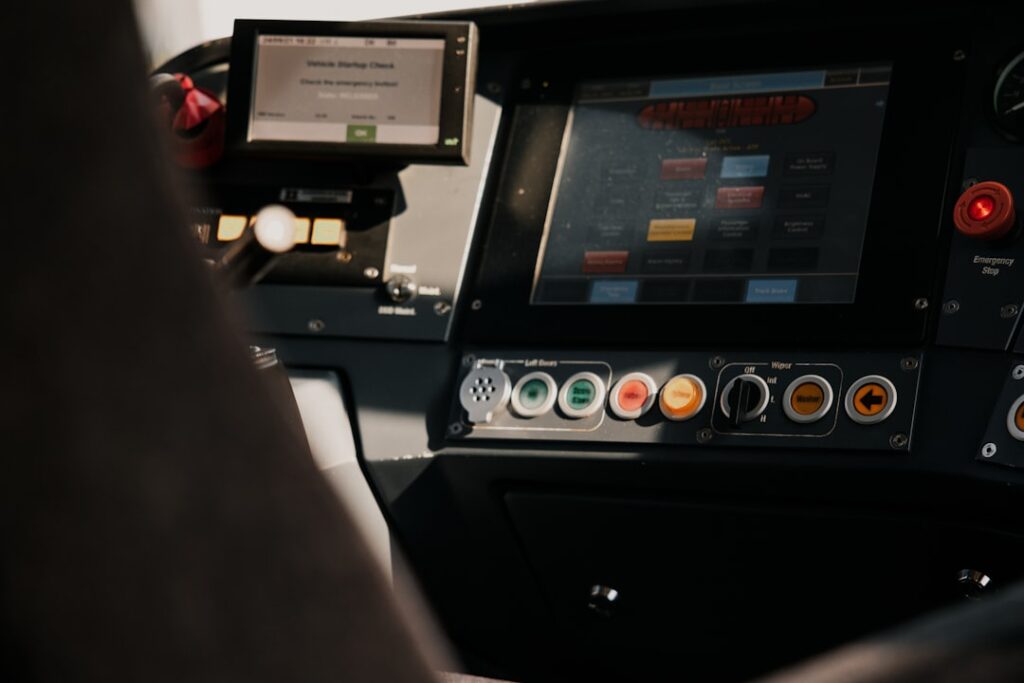
As we enter 2025, the logistics and transportation industry continues to evolve at an unprecedented pace. New technologies, changing consumer expectations, and global supply chain challenges are reshaping how goods move around the world.
Autonomous and Semi-Autonomous Vehicles
While fully autonomous trucks may still be a few years away from widespread adoption, 2025 will see significant advances in semi-autonomous features that improve safety and efficiency. Advanced driver assistance systems (ADAS) are becoming standard, helping reduce accidents and optimize fuel consumption.
Real-Time Visibility and Tracking
Customers increasingly expect Amazon-level visibility into their shipments, regardless of the industry. This trend is driving massive investment in tracking technologies, from GPS and cellular to newer solutions like Bluetooth beacons and satellite connectivity.
“Real-time visibility isn’t just about tracking packages anymore—it’s about providing predictive insights that help businesses make better decisions.”
Sustainability and Green Logistics
Environmental concerns are driving significant changes in logistics operations:
Electric and hybrid commercial vehicles
Route optimization to reduce emissions
Sustainable packaging solutions
Carbon footprint tracking and reporting
AI-Powered Route Optimization
Artificial intelligence is revolutionizing route planning and optimization. Modern systems can consider hundreds of variables in real-time, including traffic patterns, weather conditions, driver hours, and vehicle capacity to create the most efficient routes possible.
The Rise of Micro-Fulfillment
To meet demands for faster delivery, companies are establishing smaller, strategically located fulfillment centers closer to end customers. This trend is particularly relevant for construction logistics, where just-in-time delivery can significantly impact project timelines.
Enhanced Communication Platforms
The days of relying solely on phone calls and emails for logistics coordination are ending. Integrated communication platforms that connect drivers, dispatchers, and customers in real-time are becoming essential for competitive operations.
At CONSTRUCKERS, we’re incorporating many of these trends into our platform, ensuring our users stay ahead of the curve in construction logistics management.